
West Berkshire Council has backed £15m for a 20MWp solar farm near Grazeley and will bid to sell its power to AWE. The detailed figures are confidential.
West Berkshire Council is pressing ahead with its own solar farm near Grazeley, and has backed £15 million to build it. It will also bid to sell the electricity to the Atomic Weapons Establishment at Aldermaston.
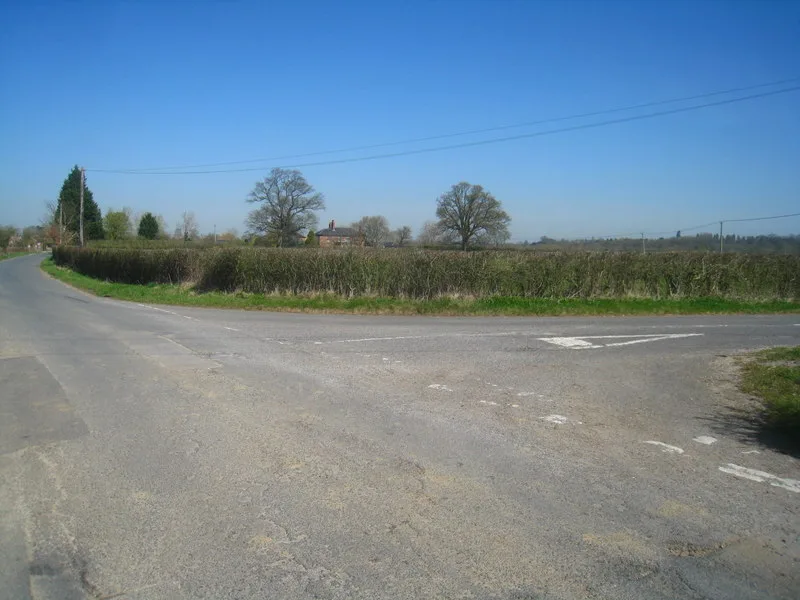
The Executive approved the next stage on Thursday 24 September. Grazeley is about 14 miles east of Newbury, south of Reading. The site is council-owned farmland at Bloomfield Hatch, south-west of Grazeley village. (West Berkshire Council, 24 September 2026)
The money is not yet final. It goes into the council’s budget, which the full council has to approve. And the numbers that show whether the scheme pays are in a confidential report the public cannot see.
What was decided
The Executive agreed three things:
- to continue the project, and let the council’s finance chief sign the construction contract, subject to the money being found in the budget
- to add £4m to this year’s capital programme and £11m to next year’s, subject to approval by full council when it sets the budget
- to let a senior officer submit a tender to sell the farm’s electricity to AWE
(West Berkshire Council, Executive decisions, 24 September 2026)
The decision cannot be called in. The decision sheet says that is because a scrutiny committee, or another review, has looked at it in the past six months.
What the council says it will produce
The council describes the farm as 20MWp, meaning 20 megawatts at peak output. It says the farm would generate:
- just under 20,000MWh of electricity a year
- enough for more than 6,000 homes
- a saving of more than 4,500 tonnes of carbon emissions a year
The farm already has planning permission and a grid connection. The council says an independent review by the consultants Global City Futures found the scheme is still viable.
The report sets a hard deadline. To meet its grid connection dates, the site has to be built, connected and energised by December 2027. (West Berkshire Council, Grazeley Solar Farm Business Case, Executive report)
Why AWE matters
AWE has issued tender documents for locally generated renewable electricity, the report says. That could include a private wire, meaning a direct cable to the buyer, or a long-term purchase agreement.
Selling locally matters to the council’s sums. A long-term deal with a nearby buyer is steadier income than selling to the grid at whatever the market pays. The report says a local deal “could reduce exposure to wholesale market volatility” and improve income certainty.
There is no contract with AWE. The council has only been authorised to bid.
The risks the report lists
The public report is unusually frank about what could go wrong. It says the finances remain “highly sensitive” to:
- future electricity prices
- borrowing costs
- construction costs
- how much the panels actually generate
- the discount rate used in the model
- how much of the power can be used or sold locally
It also says most of the financial benefit comes late in the farm’s life. That increases the exposure to future market and operating risks, and the report says it “should be considered alongside the Council’s current financial position”.
There are practical hurdles too:
- the planning permission needs a variation
- the cable route easement is not yet completed
- the land is currently leased for farming, and the tenancy has to be dealt with
- the scheme has had earlier procurement difficulties
The Ridgeway Council problem
The plan was partly built around local government reorganisation. A new Ridgeway Council, covering West Berkshire and parts of Oxfordshire, was expected to use more electricity than West Berkshire alone. More of Grazeley’s power could have been used on its own buildings.
The government has since paused reorganisation. The report says that if Ridgeway does not happen, the farm relies more on selling to the grid and the margin shrinks. On the council’s modelling, it would still make money.
What the public cannot see
The profit figures, the full cost, the borrowing assumptions and the commercial case are all in a confidential Part II report and its appendices. The public report does not say how much the farm is expected to earn, or over how many years.
That matters because of the council’s wider position. At the same meeting, the Executive heard that the council expects to be £9.3m over budget this year, and that its main reserve could fall to about £1m. Our report on that is here.
What it means for you
If you live near Grazeley, Burghfield or Mortimer, this is your ward: Burghfield and Mortimer is the only one the report lists as affected.
For everyone else in the district, the question is money. The £15m will be decided when the full council sets its budget. That is where councillors decide whether the money is there.
The council’s case is that it should. Council Leader Jeff Brooks said: “While there are risks that will need to be managed, the evidence shows it continues to offer strong environmental benefits and the potential for long-term value for residents.”
The council says its own emissions fell 38%, from 11,620 tonnes in 2019/20 to 7,162 tonnes in 2024/25. It calls Grazeley the single largest contributor to the further cuts needed for its 2030 net zero target.
Sources
- West Berkshire Council, Grazeley Solar Farm Business Case, Executive, 24 September 2026 for the recommendations, the capital sums, the risks, the AWE tender, the Ridgeway Council modelling, the December 2027 energisation deadline, the land and easement position and the ward affected.
- West Berkshire Council, Executive decisions, 24 September 2026 for the resolutions and the call-in position.
- West Berkshire Council, Council approves next steps for Grazeley Solar Farm, 24 September 2026 for the site location, capacity, output, homes and carbon figures, the Global City Futures review, the council’s emissions figures and the Leader’s quote.
Have your say